
ZODIAC Terminal Platform Revamp

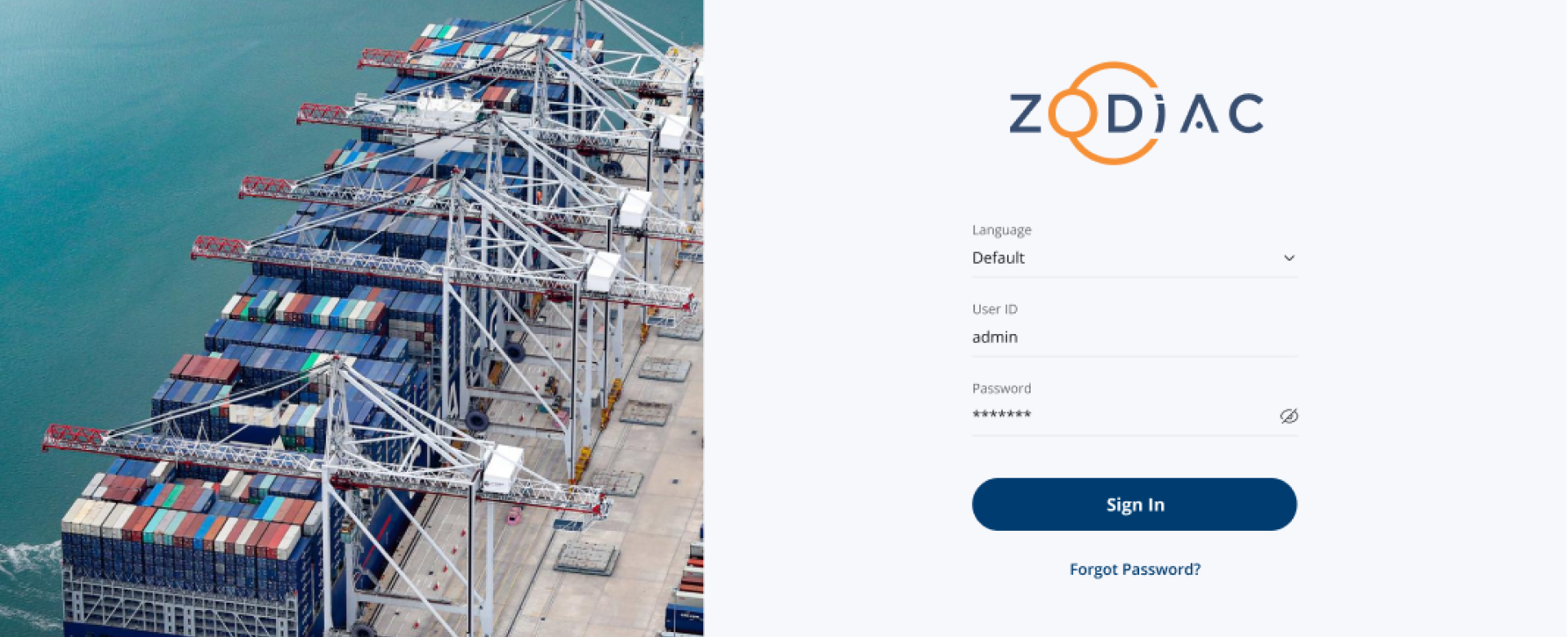
ZODIAC is a responsive platform designed to optimize and manage terminal operations, supporting planning, execution, and monitoring of container logistics. The goal of this revamp was not only to improve UI/UX, but also to introduce content configuration capabilities, allowing users to customize pages based on their operational needs.
- Category UX Design, UI Design
- Company DP World
- Industry Logistics & Transportation
- Launch Date September 2024
My Role & Contribution
-
Led UX/UI redesign of the ZODIAC terminal platform
-
Defined information architecture and improved navigation structure
-
Translated complex operational workflows into intuitive user flows
-
Collaborated with cross-functional teams to align design with business goals
-
Contributed to delivering a more efficient and scalable user experience
Problem
- The original interface presented several critical usability challenges:
-
Cluttered layouts made information difficult to scan
-
Inconsistent navigation slowed down task completion
-
Users spent excessive time searching for key information
- These issues led to:
-
Increased decision-making time
-
Higher risk of operational errors
-
Reduced productivity across teams
-
Negative impact on project timelines
My Approach
I approached this as a workflow and information architecture problem, focusing on improving clarity, efficiency, and usability.
- Key focus areas:
-
Simplifying complex layouts into structured, scannable sections
-
Establishing a consistent navigation system
-
Prioritizing key operational data for faster access
-
Incorporating user feedback to align with real workflow needs
Solution
The revamp focused on creating a clearer and more efficient user experience:
- Information Architecture:
-
Reorganized content into a logical flow
-
Highlighted key features and critical data points
- Navigation & Usability:
-
Standardized navigation patterns across the platform
-
Reduced cognitive load through clearer hierarchy
- User-Centered Improvements:
-
Integrated user feedback into design decisions
-
Ensured alignment with both user needs and business objectives
- Content Configuration:
-
Enabled flexible page customization
-
Allowed users to tailor views based on their preferences and tasks
Impact
- The redesigned platform led to measurable improvements:
-
25% decrease in task completion time
-
35% reduction in development errors
- Additionally:
-
Improved navigation efficiency
-
Enhanced team collaboration
-
Increased overall productivity and user satisfaction
Reflection
- This project reinforced the importance of:
-
Designing for complex operational workflows, not just interfaces
-
Balancing business requirements and user needs
-
Using structure and clarity to reduce friction in high-stakes environments